On sloping land, pressure changes with elevation. A line running downhill does not behave the same way as a line laid across a level plot, so the field should be divided into practical hydraulic zones.
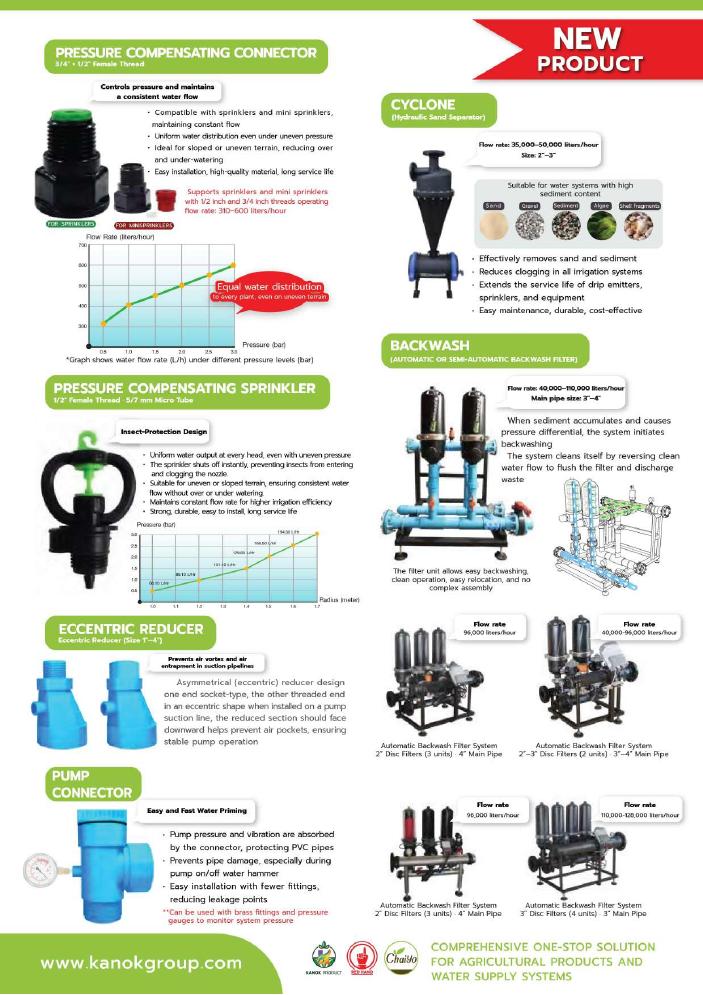
The mainline route, sub-main positions and lateral lengths can be arranged to reduce excessive differences within a zone. Where required, pressure-regulating or pressure-compensating components can be evaluated against the actual design.
Water storage and pumping strategy also matter. A system that works when a tank is full may behave differently near the minimum operating water level if the available head is marginal.
Use surveyed or measured elevation information for larger or more sensitive projects. Final emitter and pipe choices should be based on the expected operating pressure range and supplier data.